
Symphoricarpos mollis

We do not take online orders for plants. Please come in to the nursery, call or email: (510) 234-2222 or sales@thewatershednursery.com
Share this page
Creeping snowberry
A deciduous sub-shrub typically growing only 1 ft tall but spreading by rhizomes 3-4 ft wide.
The tiny snow white berries of this native shrub appear in late summer, as the soft pink bell shaped flowers fade. Fruit is edible, but tastes a bit like bath soap, and is appreciated more by birds than people.
Plant with ferns, current, and coral bells. Excellent for erosion control.
Sun: Full Sun, Part Shade, Shade
Water: Light
Soil: Clay, Loam, Sand
Other: Attracts Butterflies, Attracts Bees, Deer Resistant, Erosion Control
| Ecological Value | Creeping snowberry provides nesting cover for the endangered least Bell's vireo, in southern California. Also useful for erosion control because of its rhizomes. |
|---|---|
| Container | D-16 |
| Ethnobotanical Uses | Native Americans crushed the leaves of creeping snowberry to treat sores and wounds. The bark was boiled to remedy tuberculosis and venereal disease. Stems were used for arrows and pipes |
| Distribution | Native to California and also found outside of California, but is confined to western North America. |
| Elevation | Between 30 and 9843 feet |
| Communities | |
| Habitat | Commonly occurs on dry, sunny slopes at low to mid elevations, although it can occur in shady conditions as well. |
Related products
-
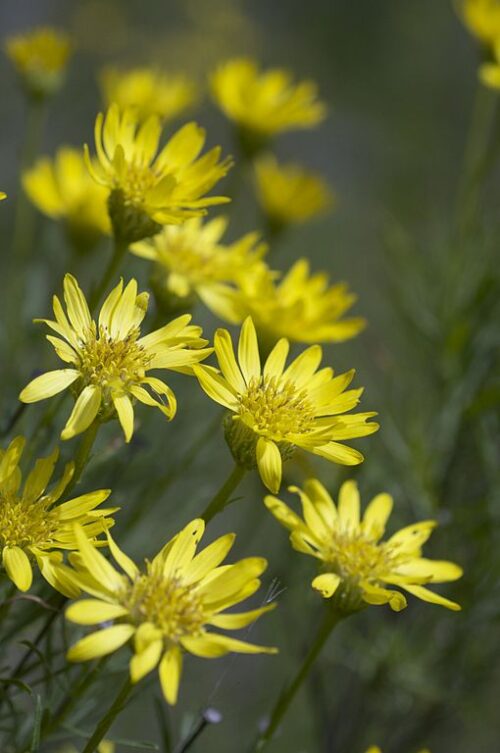
Ericameria linearifolia
Price range: $10.90 through $12.30Select options This product has multiple variants. The options may be chosen on the product page -
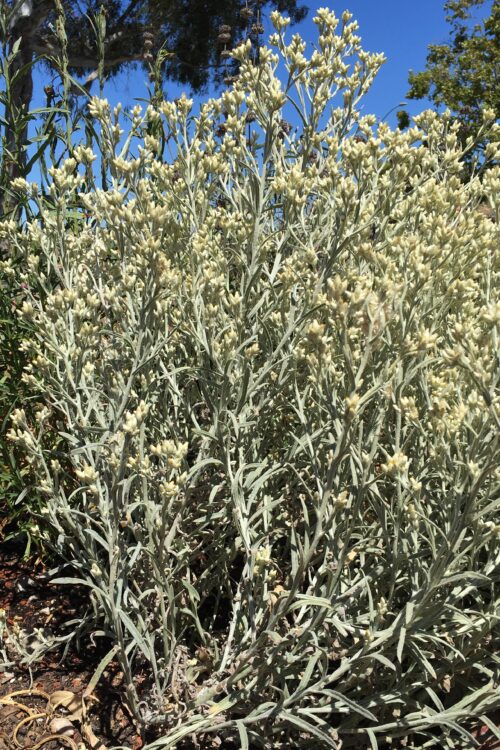
Pseudognaphalium canescens
Select options This product has multiple variants. The options may be chosen on the product page -
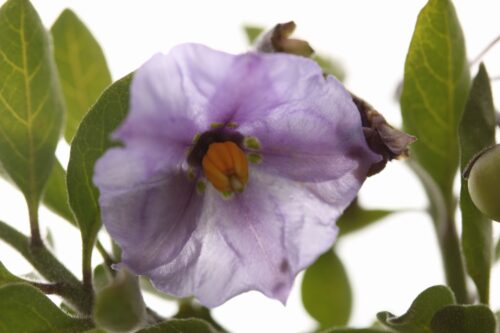
Solanum umbelliferum
Price range: $1.93 through $27.95Select options This product has multiple variants. The options may be chosen on the product page -
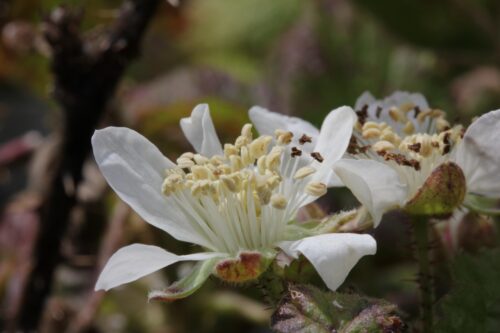
Rubus ursinus
Price range: $2.81 through $30.25Select options This product has multiple variants. The options may be chosen on the product page