
Dipterostemon capitatus
$12.80


We do not take online orders for plants. Please come in to the nursery, call or email: (510) 234-2222 or sales@thewatershednursery.com
Share this page
Blue dicks
Blue dicks are a herbaceous perennial wildflower that grow from an underground corm. Two to three long, thin leaves emerge in spring before the purple flowers, which can reach 2′ tall. Space 3-6″ apart. Native across much of CA west of the Sierras.
Great choice for adding spring color to a meadow garden. Pairs well with buttercups, soap plant and purple needlegrass. Blue dicks feed numerous native bees, butterflies, moths, and hummingbirds.
Indigenous Californians used digging sticks to gather these corms, which were an important staple starch. Traditional gathering sites were visited yearly, and stewarded by families.
Sun: Full Sun, Part Shade
Water: Dry, Light, No summer irrigation
Other: Attracts Bees, Attracts Butterflies, Drought Tolerant
| Container | D-16-O, D-16 |
|---|---|
| Ecological Value | Provides food for native bees, butterflies, moths, hoverflies, and hummingbirds. Blue dicks are a common post-fire succession species in chaparral habitats. |
| Ethnobotanical Uses | Flowers and bulbs are traditional foods of indigenous Miwok, Cahuilla, and Ohlone people. Bulbs like these were cultivated by families with cultural burning, brush clearing, digging and dividing. |
| Distribution | Found on plains and hillsides, from Douglas County, Oregon to lower California, and east to southern Utah and northern Arizona. |
| Elevation | 0-7545' |
| Habitat | Plains and hillsides |
| Communities | Creosote Bush Scrub, Pinyon-Juniper Woodland, wetland-riparian, Yellow Pine Forest |
Related products
-
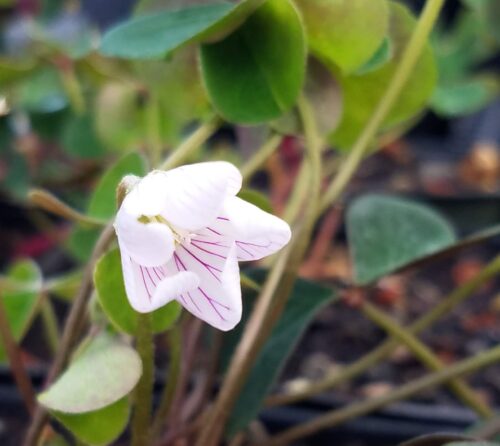
Oxalis oregana
Price range: $7.15 through $8.50Select options This product has multiple variants. The options may be chosen on the product page -
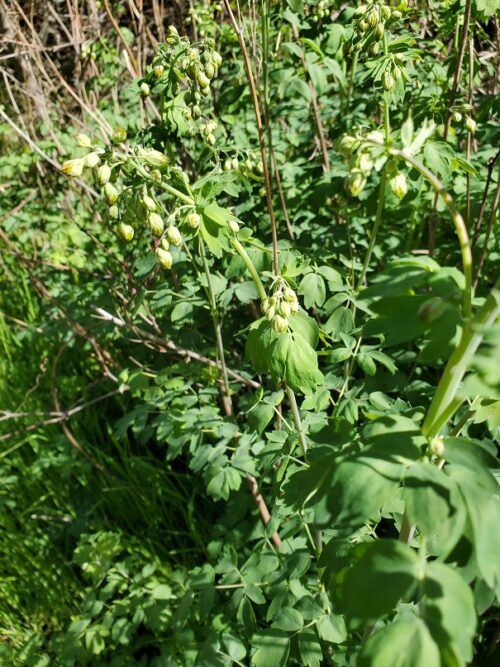
Thalictrum fendleri
Price range: $3.30 through $8.50Select options This product has multiple variants. The options may be chosen on the product page -
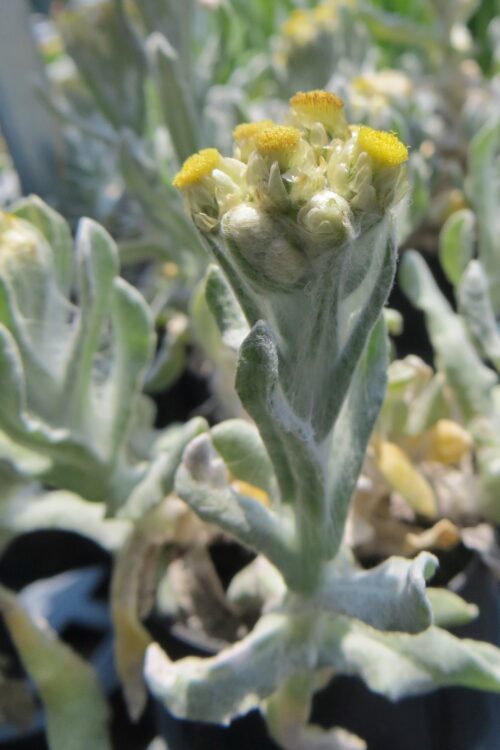
Pseudognaphalium stramineum
Price range: $1.62 through $6.50Select options This product has multiple variants. The options may be chosen on the product page -
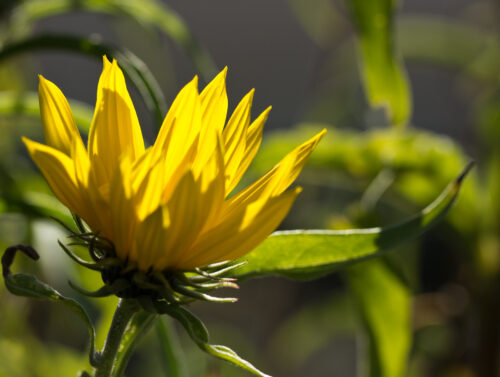
Helianthus californicus
Price range: $7.30 through $10.90Select options This product has multiple variants. The options may be chosen on the product page